Featured
Table of Contents
Below are 3 common mistaken beliefs concerning grieving that we may think when we consider our very own or a person else's means of grieving: Among the most typical false impressions concerning grieving is that every person undergoes it in the very same way. But as we've established, regreting is a special journey that is different for everyone.
If you ever locate yourself believing, "I'm doing it wrong," attempt reminding on your own that "there's no right or wrong method of grieving."Furthermore, there's no certain order for the phases of despair. Our first psychological response to loss could be temper and clinical depression. This does not indicate that we're not regreting effectively.
And our emotions can come in waves of intensity. Several individuals get irritated with themselves since they believe they're regreting as well long.
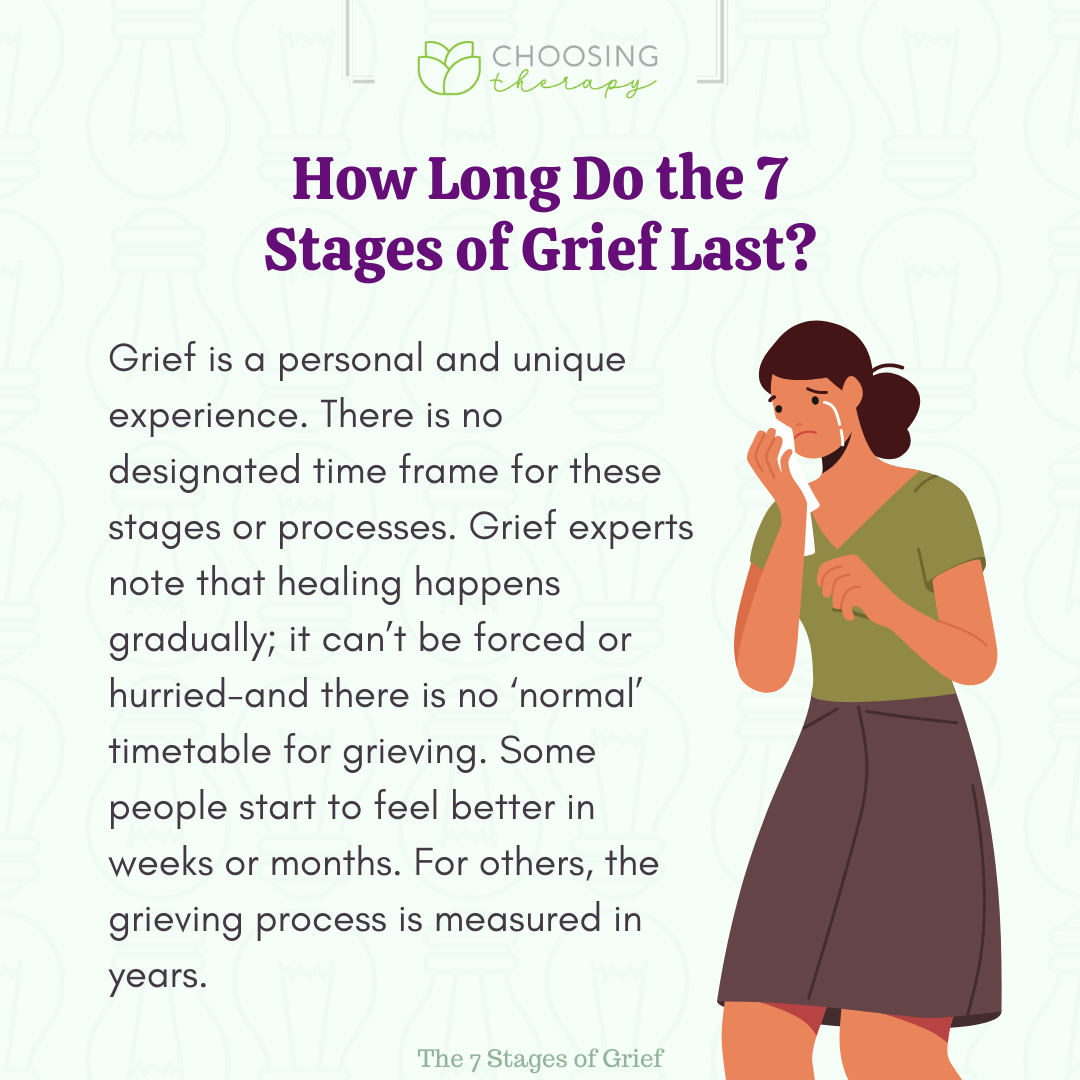
Sorrow is a challenging process that varies from person to individual. The five phases of despair rejection, temper, negotiating, depression, and acceptance are a practical framework for considering pain, yet it does not mean we'll experience every stage. We can experience these facets of grief at various times, and they do not happen in one particular order.
Depression Behind the Facade of Professional Excellence
This website uses cookies to aid personalise content, customize your experience and to maintain you visited if you sign up. By remaining to utilize this website, you are granting our usage of cookies.
This intermittent structure is suggested to assist you much better comprehend your sensations and is not intended to recommend just how you must regret, what you must be sensation, or in which order. Each phase may come and go or overlap the others.
If you want to find out more about your private grieving process, it's a good idea to connect to a relied on mental health specialist to recognize yourself far better and create ideal coping methods. Discover more concerning the 7 stages of despair. Pain can be a hard and untidy procedure. When a loss occurs, among the initial things you might experience is shock.
Key Qualities in a IFS Therapist Who Specializes in Healthcare Workers
That's because nobody can ever before be absolutely gotten ready for a loss so substantial. Consequently, when you are in shock after a loss, you may behave typically or as if absolutely nothing has taken place. Most of the time, this is since your body has actually not refined the loss. You may really feel like the situation hasn't "sunk in" just.
:max_bytes(150000):strip_icc()/dabda-the-five-stages-of-coping-with-death-1132148_v1-1ee5a0739a1946b88c087cb754b5953f.png)
These feelings and experiences are self-protective mechanisms that act as a buffer to make sure that you are not bewildered at one time. Due to the fact that the death of an enjoyed one can have such a substantial effect on you, you might experience rejection. Throughout this phase of despair, it is merely also hard for your mind to comprehend that your household member, pal, or various other enjoyed one is gone.
Transformation: Professional Life Beyond Trauma Therapy
As you slowly begin to accept the loss and what it means for your life currently, your rejection will certainly begin to decrease. You may have a broader series of feelings and emotions when denial diminishes. Until after that, you may have durations when you feel troubled, which can be activated by pointers of your loved one.
In some cases, it's a normal feeling to wish to stay clear of others to make sure that you do not have to acknowledge or discuss your loss. Often, you really feel forgetful, get conveniently sidetracked, or put things off during this phase of despair. You might also try to remain active at all times or shut down psychologically.
Integration: Life Beyond Complex Trauma Treatment
In specific circumstances, you might also really feel angry with the doctor, your close friends, household members, God, or any various other soul(s) you rely on. Yet under all that anger is your discomfort. While it may be uncomfortable to handle, it provides more framework to your mourning than continuing to be numb.
Throughout this phase, individuals commonly feel defenseless and helpless and ask themselves "what if" inquiries. You might really feel guilty for refraining more to keep the loss from occurring or for not investing even more time with the person you lost. During the bargaining stage, it prevails to question or state, "I must have done this ..." or "If I had only done that ..." While these sorts of uncertainties are normal, they are not where you want your idea process to stay.
Instead, attempt thinking of any excellent memories you have with them. Occasionally, simply assessing these thoughts can help you release the shame. It might also be helpful to do something details, like create a letter to your enjoyed one or chat to them aloud. Once you pertain to terms with the truth of the loss, a deeper level of sadness may start to creep in.
You can additionally see for a checklist of additional resources or call the number below to reach Compound Misuse and Mental Health Services Administration (SAMHSA) hotline. The testing phase of the grieving process frequently entails trying out different things that help you move on. In this stage, you are beginning to develop your brand-new regular along with processing your feelings and feelings developed by the loss.
True Self vs. Professional Persona: Finding Your Authentic Voice Through Therapy in Los Angeles
Reaching the approval phase does not indicate you are alright with what took place. Rather, this part of the mourning procedure is much more concerning accepting what your life appears like currently. You will still need to pay attention to your sensations and change, but you will certainly begin to feel even more wholeeven if it looks various than it did in the past.

Latest Posts
Brainspotting Working Through Major Life Transitions with Trauma
Going Beyond Traditional Cognitive Approaches
Acknowledging Important Signals for Relationship Counseling